


 購物車 / 產生報價單


製程/反應/培養/加工測量/分析/觀測原材料綜合實驗室用品清潔/滅菌安全防護用品燒杯定量瓶擦拭紙/擦拭布NG商品專區教育/學習用品緊急物資食品衛生/檢驗醫療/護理與護理產品游標卡尺/數位卡尺無塵衣/褲/鞋無塵棉花棒酒精燈/本生燈砂輪片生物顯微鏡手術/解剖刀比重計/比重瓶砂紙液態氮桶/杜瓦瓶樣本瓶/閃爍計數瓶離心管軟管/管材針筒/注射器培養皿/反應盤血清瓶微量離心管/PCR管實驗衣/實驗服滴定管篩網量筒瓶燒瓶磁石/攪拌子溫度計試紙試管墊片滴管/吸管/刻度吸管漏斗坩堝膠帶微生物培養基研磨棒砂布輪吹球/吹塵球毛細管護目鏡/安全眼鏡鑷子玻璃毛刷/清潔刷符號筆/抗酒精筆冷凝管藥匙/藥鏟/刮勺洗瓶/洗滌瓶研缽/研杵鑽石筆/鑽石刀鋁箔紙/包裝膜鍍碳銅網橡膠帽鋁塊/鋁珠樣品盒/零件盒標準液/校正液劃線規/劃線器導電膠/導電銀膠塗抹棒攪拌子取出棒緩衝瓶廢液儲存桶濾毒罐養菌管顯微鏡載玻片/蓋玻片擦拭紙圍裙攪拌棒無塵室用品過濾/濃縮用品滅菌塞子/蓋子滴瓶比色槽/比色皿電極濺鍍靶材/金屬靶材容器濾紙/過濾膜放置架/台頂空取樣瓶/取樣瓶紮帶/束線帶球磨罐接種環/接種棒接桿採樣袋/採樣杯針頭過濾器/小飛碟/過濾頭真空幫浦油/真空泵浦油展開槽砌磚刀/抹泥刀玻璃轉接頭/玻璃接管矽油抽氣接頭冷凍紙盒/抗凍盒冷凍小管/冷凍小瓶反應瓶結晶皿/蒸發皿秤量皿/秤藥紙/秤藥盤手套培養沉澱管夾子/夾具厚壁耐壓瓶活栓吸管尖/微量吸管尖矽膠潤滑脂膏防護衣玻璃珠離心瓶比色管量杯製程/反應/培養/加工設備離心機微量吸管/移液管/微量滴管測量/分析/觀測設備電子天平/電子秤操作/辦公設施防潮箱/乾燥箱清潔/滅菌設備無塵室儀器無塵室設施ESD防靜電商品開發與原型支援產品電子/電氣零件和控制設備雷射筆電流轉換器動物儀器專區球磨機紫外線燈/UV燈培養箱/恆溫培養箱虹吸管/手持式幫浦金相顯微鏡厚度計/薄膜厚度計塗層測厚儀流量計/流量指示器去離子水機/超純水機加熱板加熱器手套箱分光光度計/光譜儀真空防潮箱乾浴器/乾浴槽旋光度計/旋光儀電磁攪拌器/加熱攪拌器乾燥機烘箱/高溫爐/灰化爐真空幫浦/真空泵浦均質機/乳化機超音波清洗機/超音波震盪機溫度感測器照度計/光度計電泳槽噴槍/氣槍導電度計調壓閥濁度計壓力計/壓力錶黏度計濕度計/溫濕度計震盪器/振動器實驗桌/實驗台化學排煙櫃/通風櫃驗電筆/測電筆砂紙機/砂光機/磨砂機洗眼器/緊急洗眼站光澤度計/反射度計水浴槽/恆溫水槽升降工作台PH檢測計/PH酸鹼測計藥品櫃/化學品櫃幫浦/泵浦水分計/水份分析儀研磨機/拋光機加熱帶屈折(曲折)度計/折射度計抽氣過濾裝置空壓機/壓縮機塗佈機計時器/計數器真空減壓濃縮機/旋轉濃縮機鹽度計濕式轉漬槽/半乾式轉漬槽熱熔膠槍/熱熔器熱電偶/電溫計/溫度校正器滴定儀實驗椅/辦公椅實驗室冰箱/防爆冰箱電解槽溶氧度計/溶氧分析儀菌落計數器搖篩機/篩分機糖度計/糖酸度計摩擦試驗機/摩擦測試機電阻計濃度計數器攪拌/震盪/混合設備攪拌器/攪拌機滅菌釜/滅菌器/滅菌鍋透氣度測試儀細胞計數器粒子計數器移液槽/移液管儲存器真空計風量計/風速計矽膠槍油浴器/油浴槽血球計算盤/血球計數器水質檢測器/水質測試計反應槽分注器真空乾燥器挺度試驗機/挺度儀食品檢測計加熱包刻磨機反應器/反應釜質量流量控制器直磨機施工工具/用品生產過程配備安全裝備辦公室住房用品農產品工具工業焊接安全與防護運輸/倉儲/包裝/收納防災安全應急辦公用具家具/照明/清潔車削打磨/鑽銑刀量測設備電動和手動工具潤滑/漆料/膠合/焊接用品管件/氣動/液壓/泵浦機械機台標準零件電控設備/精密電子抗靜電裝潢建築五金/塗料電氣材料/循環通風螺絲/螺栓/釘/板件材料汽車相關機車相關營業餐廚/商用設備農業與園藝自行車用品五金其他相關轉速計/轉速表彎管器彎嘴鉗轉接頭擴管器玻璃鑽頭安裝錘/橡膠錘通管器通氣管有機光電材料生物/醫學/製藥分析化學矽材料高純度試劑泛用試劑/藥品緩衝液



取消
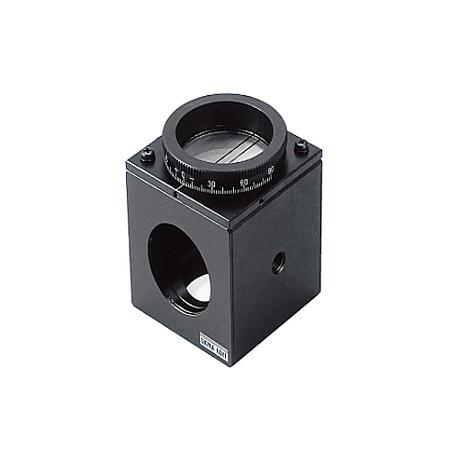
商品圖片僅供參考,選購時請再留意商品規格
SIGMAKOKI Collimation Checker for Beam Wavelength Of 248Nm, 0.23mm Wavelength Of
商品型號 SABP-61695863原廠型號 SPUV-05
詢價商品
請諮詢取得報價及交期
💡 重要通知:
因中東戰爭造成原物料波動影響,若訂單成立後進貨成本發生重大異動,我們將主動聯繫您協商處理。造成不便,敬請見諒。


商品介紹
Feature
- Collimation Checker for Beams is one of the simplest sharing interferometers for checking the degree of parallelism of a laser beam expander (collimator).
- Since the state of the beam can be evaluated simply by inserting it into the optical axis, the time and effort of adjusting the optical axis can be greatly reduced, and a higher quality beam can be obtained.
- * Use the power of the incident beam (visible range) at 10 mW or less. For higher beams, use an ND filter to reduce the light.
- * When the wavefront of the beam is disturbed, the fringe may not be straight. Adjust it so that it is parallel to the baseline as much as possible.
- * Interference fringes may not be formed due to degree of parallelism, coherence length, vibration, etc.
- * If the light source is LD or an optical system with astigmatism, better results can be obtained by checking in two directions. When the screen is facing up, the vertical aberration is noticeable. Rotate 90 degrees around the optical axis and check even if the screen is lying down.
Specifications
- [ common specification]
- Fringe interval by wavelength: Wavelength of 248nm/0.23mm, Wavelength of 400nm/0.38mm, Wavelength of 633nm/0.6mm
- [Individual specification]
- Type: Body (small mouth diameter)
- Adaptive wavelength: 248 - 400nm
- Incident beam diameter (φ): φ3 - 5mm (when using camera: φ1 - 5mm)
- Blade material: Synthetic quartz
- Plate thickness: 0.5mm
- Plate flatness: λ/4
- Amount of horizontal deviation: 0.38mm
- Screen: UV sensor sheet
- Material: Aluminum (black color anodic oxide processing)
以上圖片及相關資訊由 SIGMAKOKI 提供。
若有現場安裝、說明或特殊配送需求,歡迎事前與科研市集聯繫。部分商品因供應條件限制,可能無法提供相關服務,敬請見諒。
商品資訊
商品品牌SIGMAKOKI